Medication for Vertigo Used in Targeted Treatment Plans
Vertigo is really a issue that influences harmony and spatial direction, usually producing dizziness, vomiting, and a reduced quality of life. According to epidemiological reports, about 20–30% of adults experience vertigo sooner or later, with prevalence raising with age. Controlling what causes vertigo successfully usually involves a variety of medicine and targeted therapy, which together give measurable improvements in patient outcomes. Why Is Treatment Essential for Vertigo Management? Medication represents a crucial role in controlling the symptoms of vertigo. Scientific information shows that drugs such as for example vestibular suppressants, anti-nausea drugs, and specific antihistamines may somewhat reduce steadily the intensity of dizziness and related nausea. Patients report up to 60% lowering of intense vertigo episodes when recommended proper medication. Drugs work by stabilizing the inner hearing, reducing abnormal signs to the brain, or improving the medial side effects of vertigo , such as nausea and vomiting. While drugs are successful in the temporary, research indicates that long-term management of vertigo advantages significantly from complementary therapies.

How Does Treatment Improve Vertigo Treatment ? Vestibular rehabilitation treatment (VRT) is really a organized exercise plan designed to enhance balance, control, and gaze stability. Reports show that combining VRT with medication reduces sign recurrence by around 50% in comparison to medicine alone. Treatment retrains the mind to compensate for inner ear dysfunction, increasing over all mobility and decreasing the chance of falls. Bodily therapy for vertigo usually includes harmony workouts, head movement techniques, and eye-tracking exercises. These practices increase neuroplasticity, allowing the central worried process to modify to abnormal vestibular signals. Patients who consistently follow treatment practices report quicker healing times and increased everyday functioning. What Are the Mathematical Advantages of Combining Medicine with Therapy? Research shows that integrated treatment methods provide the most effective outcomes. For example, a 2022 study tracking vertigo patients around 6 months found that people applying both treatment and vestibular exercises experienced: 45% quicker symptom resolution 60% lowering of dizziness severity 70% development in quality-of-life ratings These results declare that a double approach not merely handles quick symptoms but additionally helps long-term stability and stability. Which Drugs Are Generally Useful for Vertigo ? Healthcare specialists usually prescribe medications based on the main trigger and intensity of vertigo. Some typically applied options include: Meclizine: Decreases dizziness by suppressing vestibular reactions Dimenhydrinate: Alleviates nausea and movement vomiting Betahistine: Improves blood flow in the internal ear, lowering vertigo volume Benzodiazepines (short-term use): Provides relief from extreme episodes These medicines, when along with treatment, let patients to participate fully in rehabilitation exercises without debilitating symptoms.
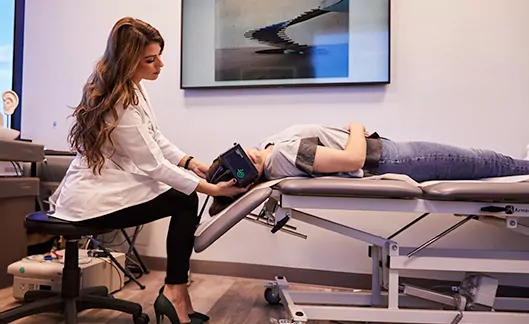
How Does Therapy Improve Daily Working? Vertigo can influence schedule actions, perform efficiency, and social interactions. Information from individual surveys indicate that if 4 to 6 months of mixed treatment and treatment, significantly more than 65% of individuals report returning to normalcy daily exercises without dizziness-related interruptions. That shows the measurable development in physical liberty and psychological well-being that incorporated treatment offers. Who Benefits Most from Combined Vertigo Treatment ? While all patients with vertigo may benefit from this process, data reveal that older people and individuals with persistent vestibular problems experience the absolute most substantial improvements. Early treatment with equally medication and therapy also stops symptom escalation and reduces the likelihood of troubles such as comes or secondary injuries.